

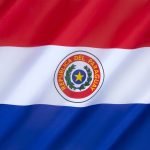
 Paraguay
 USA
USA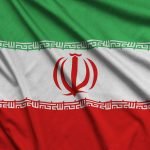 Iran
Iran New Zealand
 Switzerland
 UEFA Winner A
 Belgium
 Group A Runners Up
Los Angeles: A Premier Destination for Football Fans
Join us in Los Angeles, a vibrant city ready to host the 2026 FIFA World Cup. Discover the excitement of world-class football amidst the glitz and glamor of Hollywood, iconic beaches, and a rich cultural tapestry.
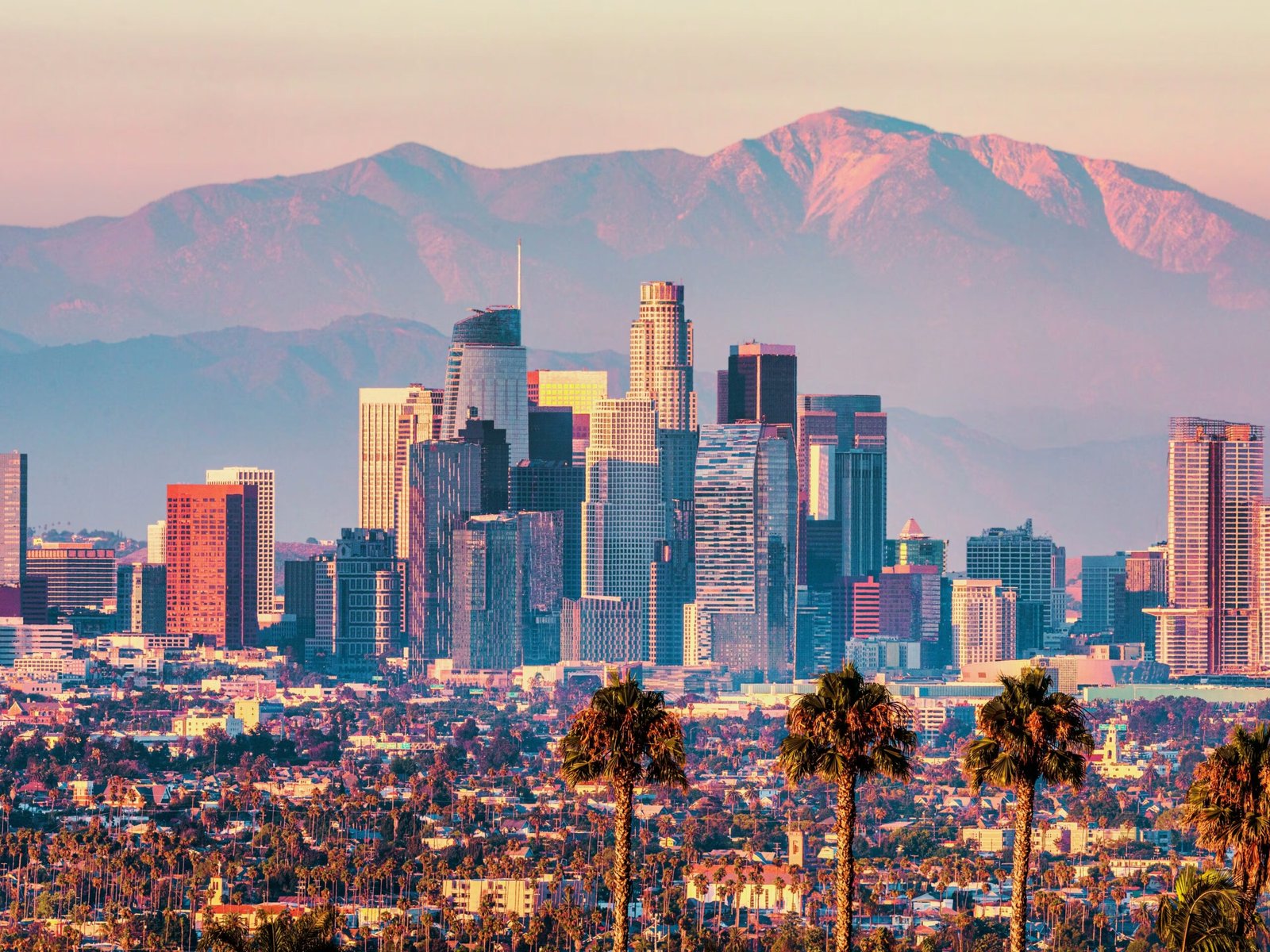
Experience Los Angeles: A Global Stage for Football
Los Angeles, a city synonymous with entertainment and diversity, is set to be a key host for the 2026 FIFA World Cup. Known for its sunny skies and bustling streets, LA offers an unparalleled experience for football fans and tourists alike.
From the iconic Hollywood sign to the vibrant neighborhoods, every corner of this city buzzes with energy and excitement. As you explore Los Angeles, you'll find a melting pot of cultures, cuisines, and experiences that make it a must-visit destination during the World Cup.
The Rich History of Los Angeles
Founded in 1781, Los Angeles has grown from a small pueblo to a sprawling metropolis. Key historical events have shaped its development, including the discovery of oil in the late 19th century and the rise of the film industry in the early 20th century. The city played a pivotal role during the 1984 Summer Olympics, showcasing its ability to host global events. Cultural milestones, such as the civil rights movement and the rise of the music industry, have further enriched its diverse heritage. Today, Los Angeles stands as a testament to innovation and resilience, offering a unique blend of history and modernity that captivates visitors from around the world.
The settlement of Indigenous Californians in the modern Los Angeles Basin and the San Fernando Valley was dominated by the Tongva (now also known as the Gabrieleño since the era of Spanish colonization).
The historic center of Tongva power in the region was the settlement of Yaanga (Tongva: Iyáangẚ), meaning "place of the poison oak", which would one day be the site where the Spanish founded the Pueblo de Los Ángeles. Iyáangẚ has also been translated as "the valley of smoke".
Maritime explorer Juan Rodríguez Cabrillo claimed the area of southern California for the Spanish Empire in 1542, while on an official military exploring expedition, as he was moving northward along the Pacific coast from earlier colonizing bases of New Spain in Central and South America. Gaspar de Portolà and Franciscan missionary Juan Crespí reached the present site of Los Angeles on August 2, 1769.
New Spain achieved its independence from the Spanish Empire in 1821, and the pueblo now existed within the new Mexican Republic. During Mexican rule, Governor Pío Pico made Los Angeles the regional capital of Alta California.
By this time, the new republic introduced more secularization acts within the Los Angeles region. In 1846, during the wider Mexican–American War, marines from the United States occupied the pueblo.
This resulted in the siege of Los Angeles, where 150 Mexican militias fought the occupiers, who eventually surrendered.
Los Angeles’s metamorphosis to world-class metropolis began in the 1870s. Its first leap into the modern era came in 1876, when the Southern Pacific Railroad completed a rail hookup with San Francisco.
Also during that decade, the city experienced a boom based on the arrival of newcomers seeking a healthy climate. Called “the Sick Rush,” it was one of the first of many booms that have punctuated the history of Los Angeles.
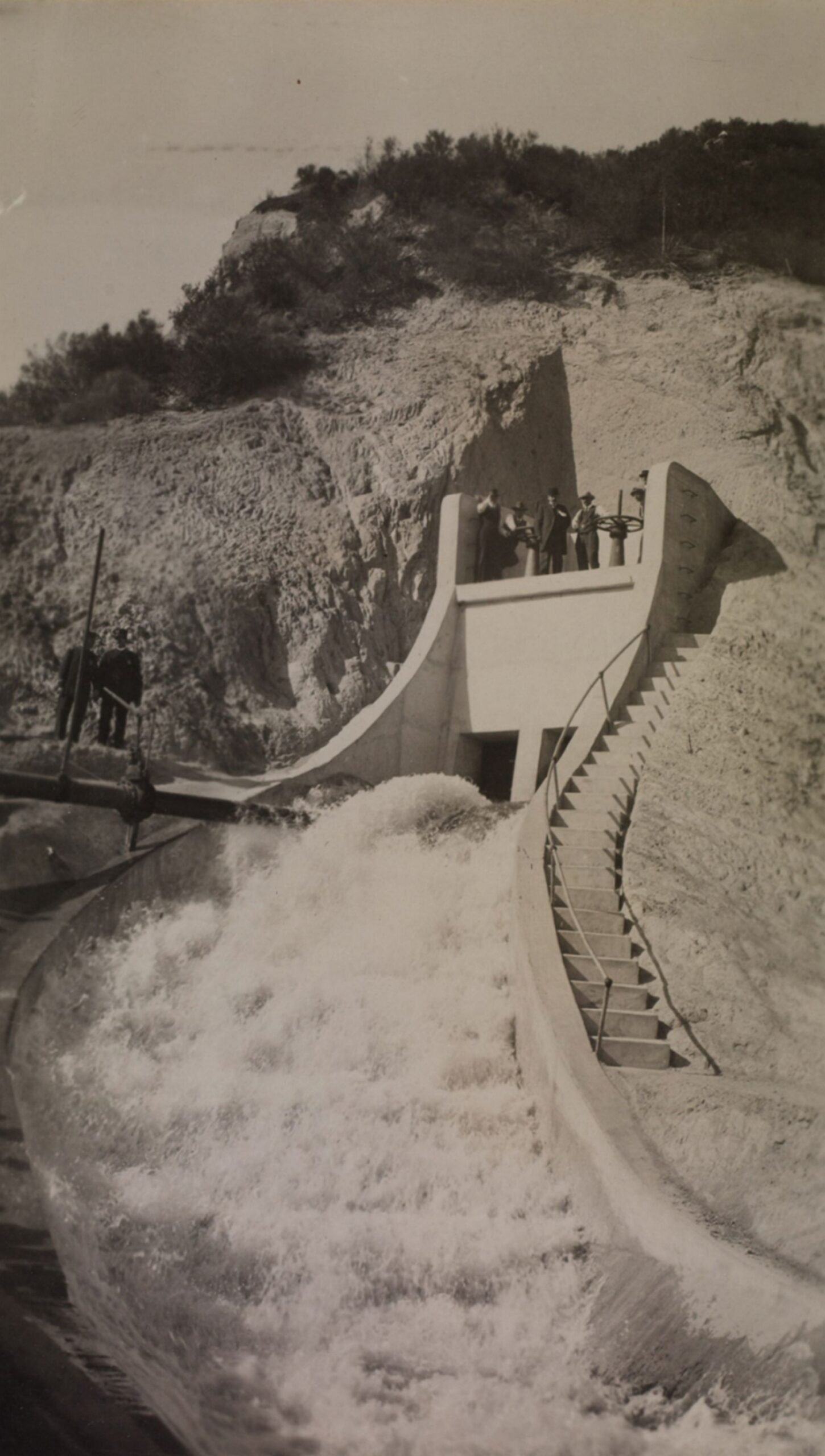
Another decisive step toward creating a metropolis was the development of a system that would import enough water from the eastern slopes of the Sierra Nevada to sustain a population of millions in the Los Angeles area.
The designer of the Los Angeles Aqueduct was a self-trained, Irish-born water engineer, William Mulholland, who also oversaw its construction.
The project (1904–13) involved aggressive dealings with ranchers and business owners in the Owens Valley, the work of some 4,000 labourers, and the invention and application of new technologies, including the Caterpillar tractor.
The water was propelled entirely by gravity, coursing through open canals, pipes, and tunnels onto a spillway in the San Fernando Valley.
The Essence of Los Angeles
Los Angeles, California, is a sprawling metropolis known for its cultural diversity, entertainment industry, and iconic landmarks. With a population of approximately 4 million, Los Angeles is a vibrant tapestry of cultures and ethnicities.
This diversity is a cornerstone of the city's dynamic atmosphere, making it an ideal host for the 2026 FIFA World Cup. The city's multicultural fabric enhances the global spirit of the event, offering a welcoming environment for visitors from around the world.
As the second-largest city in the United States, LA is a melting pot of cultures, offering a unique blend of traditions and modernity. From the glitz and glamour of Hollywood to the serene beaches of Santa Monica,
Los Angeles is a city of contrasts. Its vibrant neighborhoods, such as Koreatown, Little Tokyo, and Chinatown, showcase the city's rich cultural tapestry.
As a hub for creativity and innovation, LA is home to world-renowned museums, theaters, and art galleries. The city's significance extends beyond entertainment, as it plays a crucial role in international trade and commerce.
With its diverse population and thriving economy, Los Angeles continues to be a beacon of opportunity and inspiration for people worldwide.
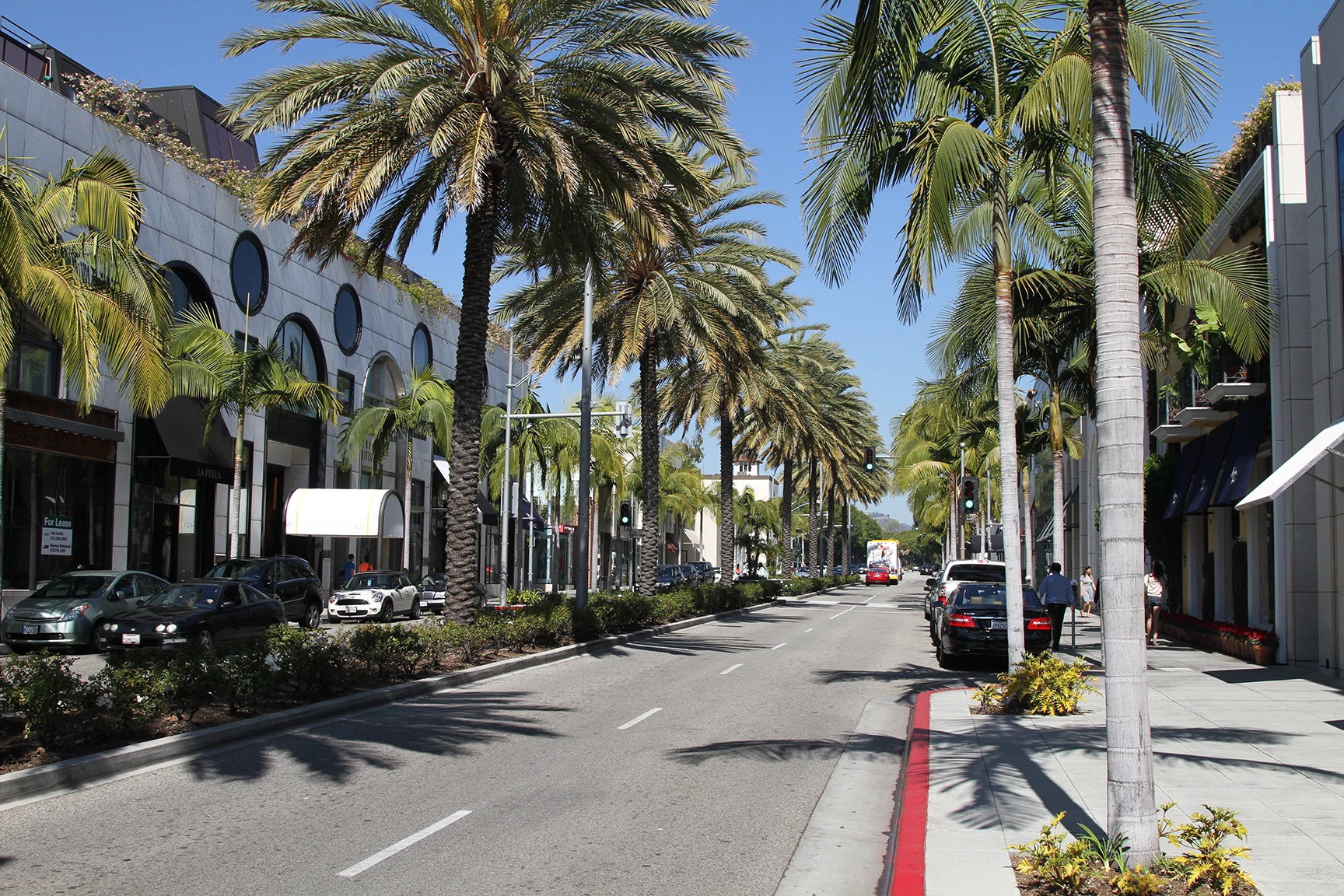
Los Angeles: A Melting Pot of Cultures
Los Angeles, a bustling metropolis, is home to approximately 4 million residents, making it the second most populous city in the United States. This vibrant city is a melting pot of cultures, with over 140 nationalities and 224 languages spoken, reflecting its rich tapestry of diversity. Such demographic variety not only enriches the cultural landscape but also enhances the city's appeal as a host for international events like the FIFA World Cup. The cosmopolitan atmosphere ensures a welcoming environment for visitors from all corners of the globe, eager to experience the World Cup in a city that truly embodies global unity.
Dynamic Demographics
Home to over 140 nationalities, the city's multicultural tapestry enhances the World Cup's global spirit.
Languages spoken
Los Angeles' diverse population contributes to a lively and welcoming environment, perfect for international events.
Notable Places in Los Angeles
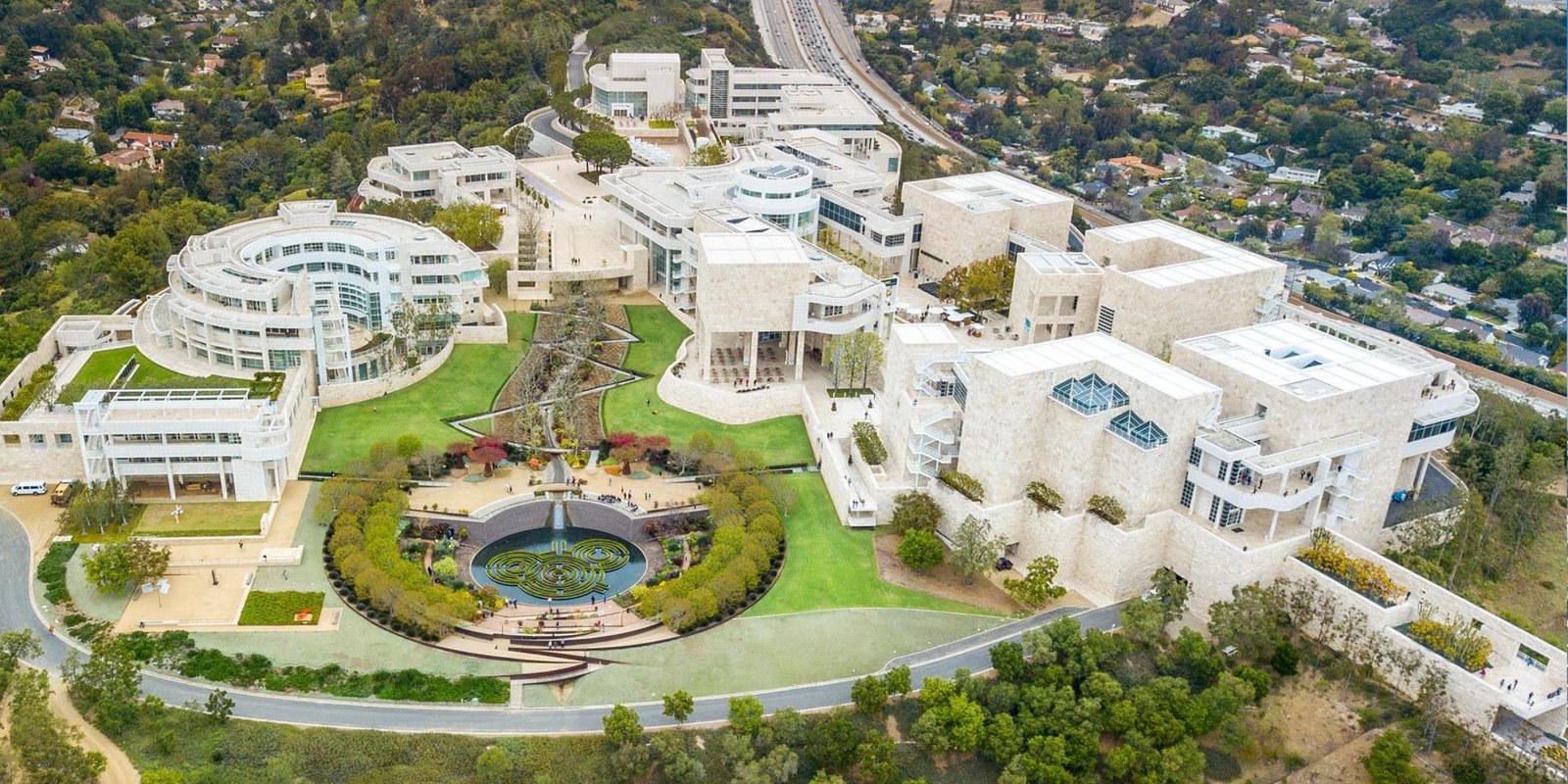
The Getty Center
Perched atop a hill, The Getty Center offers breathtaking views of the city and houses an impressive collection of European paintings, sculptures, and decorative arts.
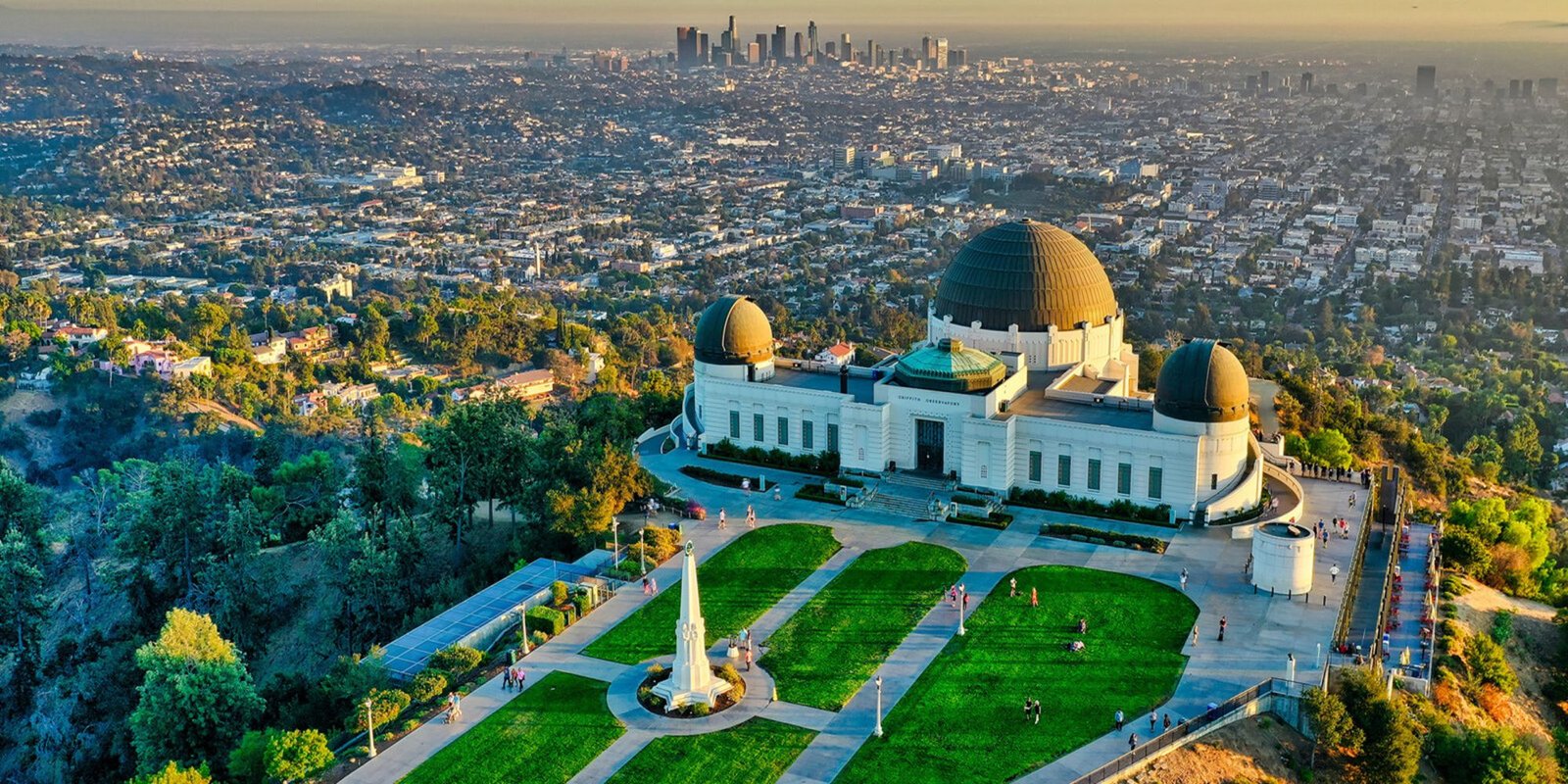
Griffith Observatory
Located on the southern slope of Mount Hollywood, Griffith Observatory provides a gateway to the cosmos with its state-of-the-art planetarium and public telescopes.

Santa Monica Pier
Explore the stars and enjoy panoramic views of the city from this iconic hilltop landmark.
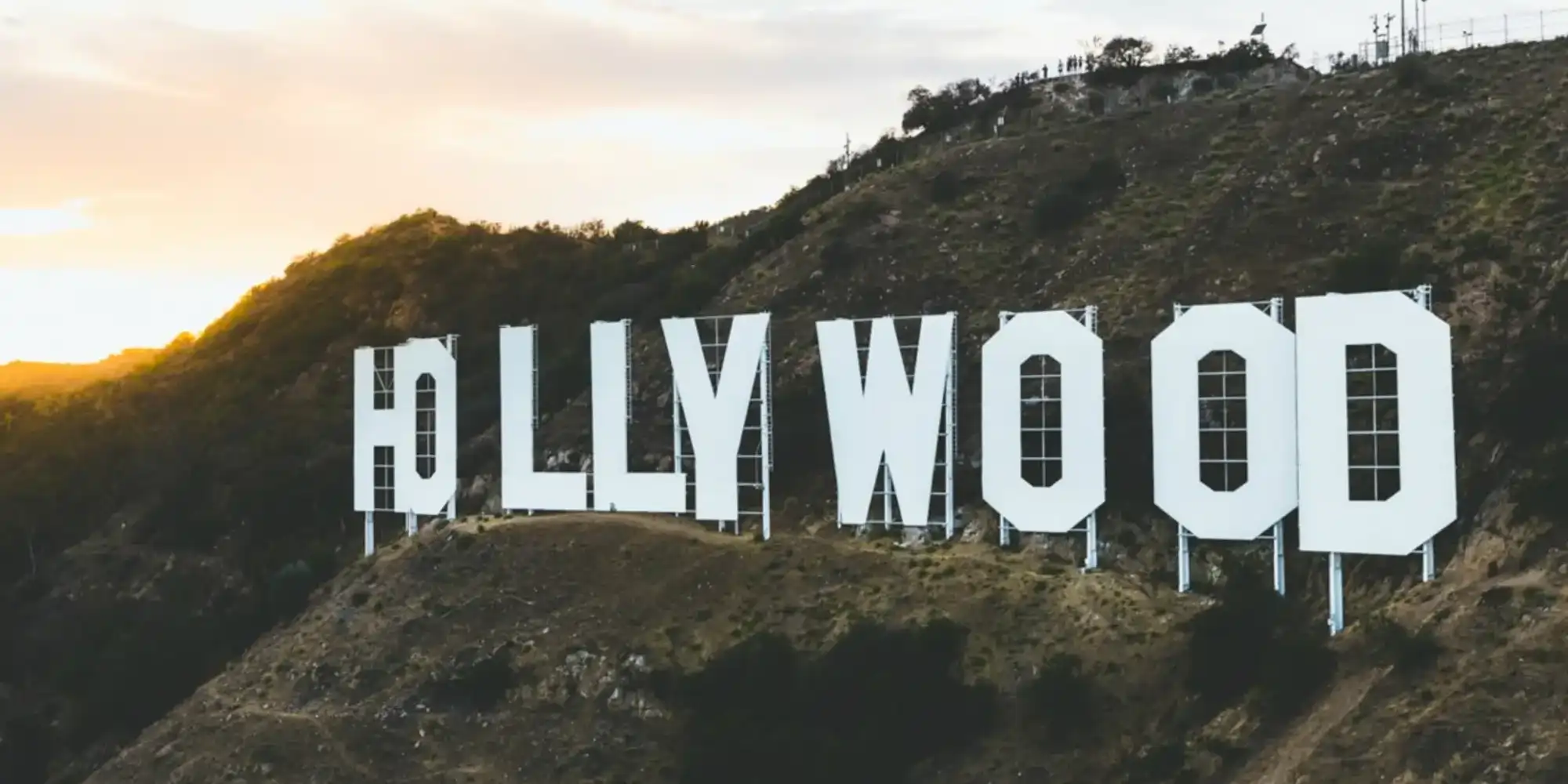
Hollywood Sign
The Hollywood Sign is not just a symbol of the entertainment industry but also a testament to the city's glamorous allure. Its proximity to the World Cup venues makes it a perfect spot for fans to capture memorable moments.
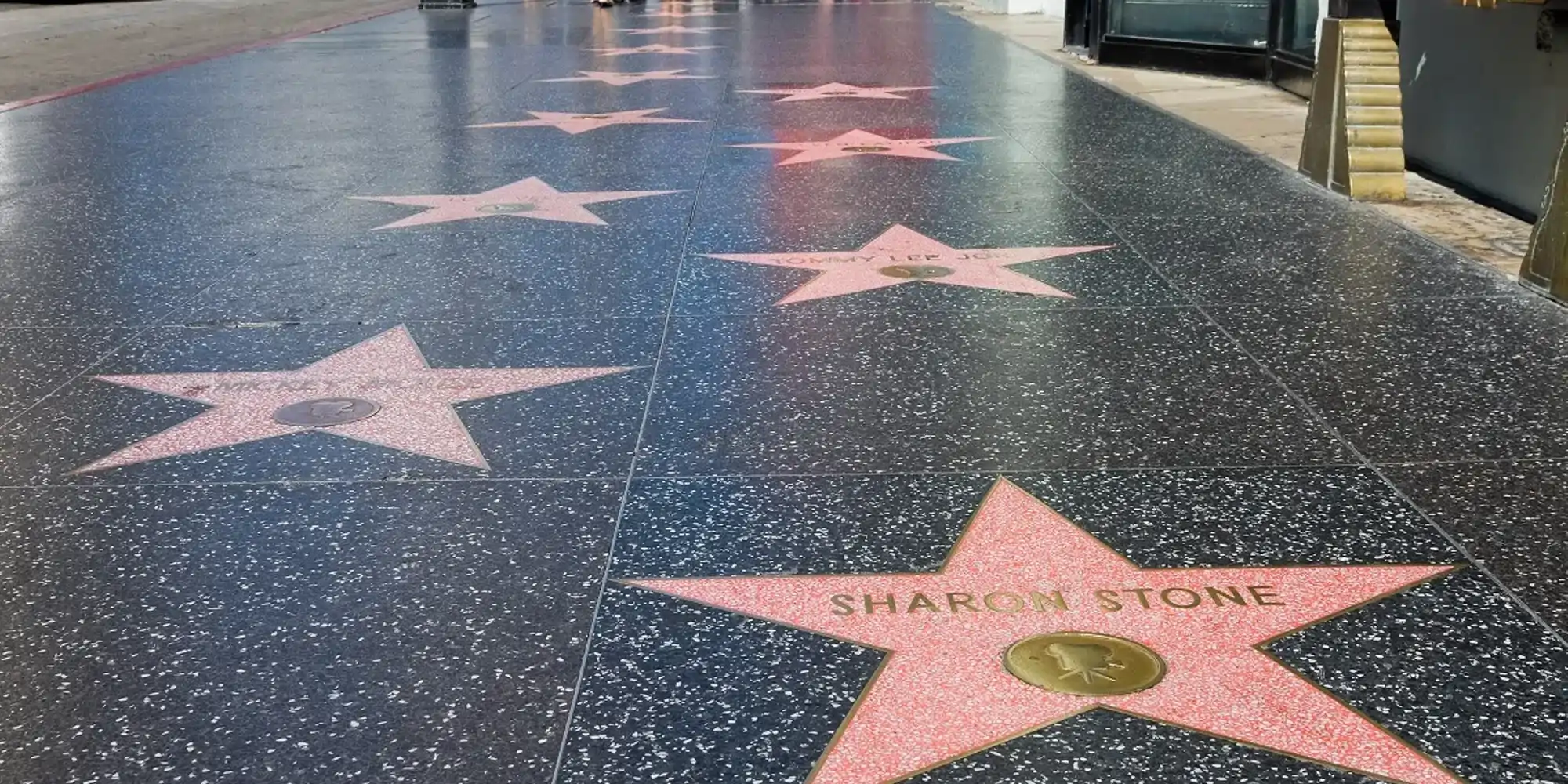
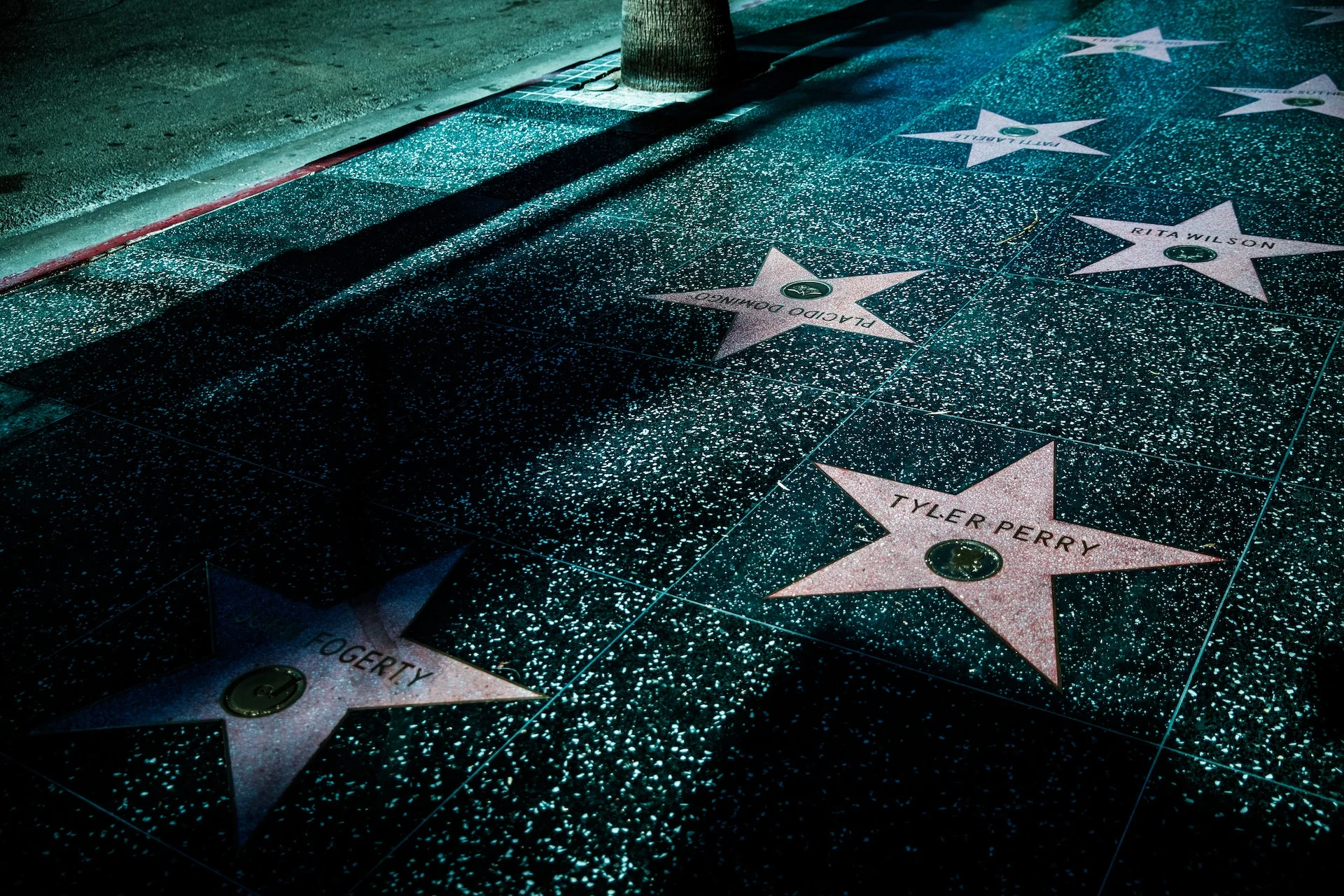
Hollywood Walk of Fame
A tribute to the entertainment industry, the Walk of Fame honors celebrities with stars embedded in the sidewalks along Hollywood Boulevard.
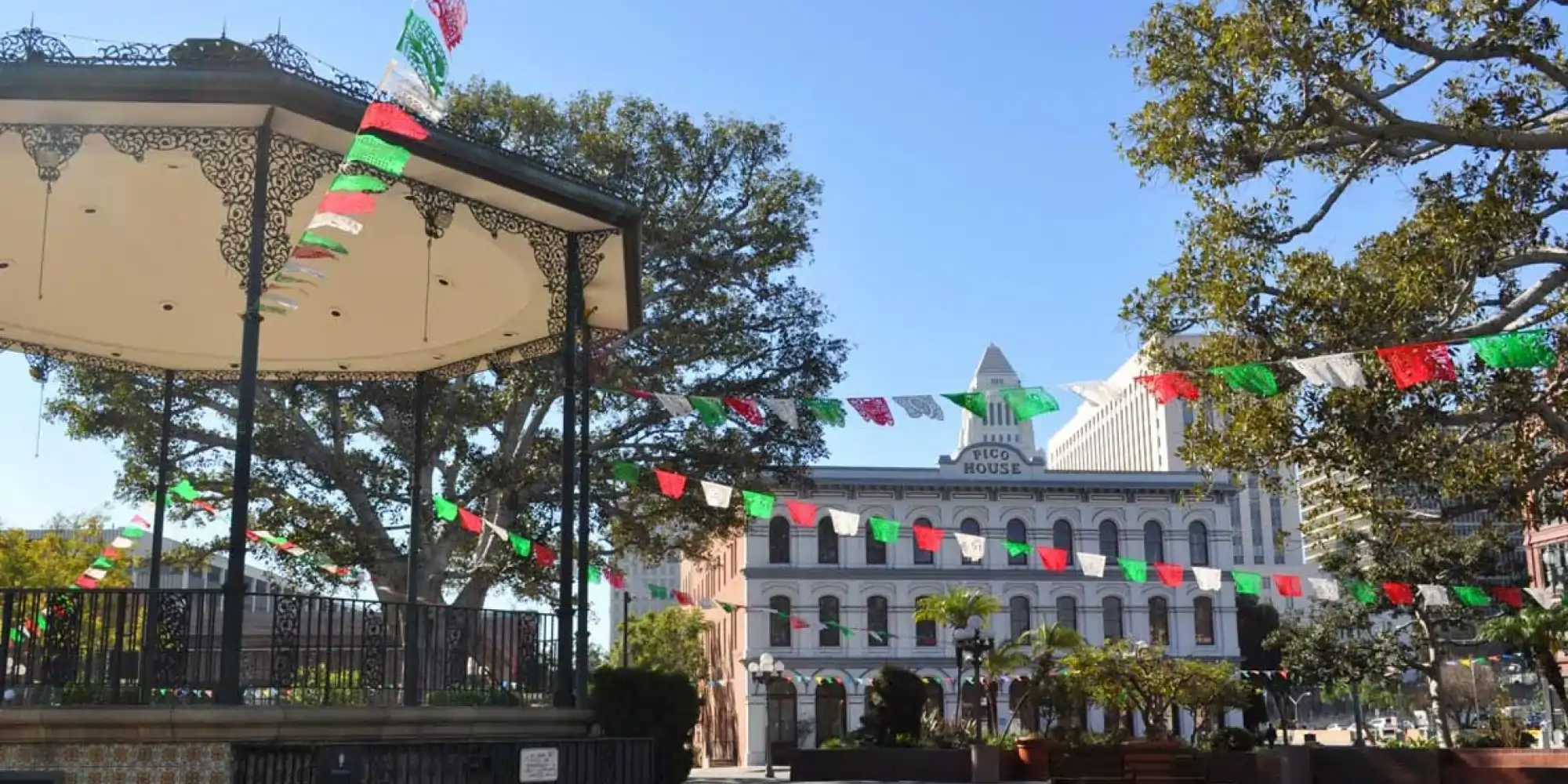
El Pueblo de Los Angeles
A living museum that continues to fulfill its unique role as the historic and symbolic heart of the City, reflecting the Native American, African American, Spanish, Anglo, Mexican, Chinese, Italian and French cultures that contributed to its early history.
SoFi Stadium: A World-Class Venue
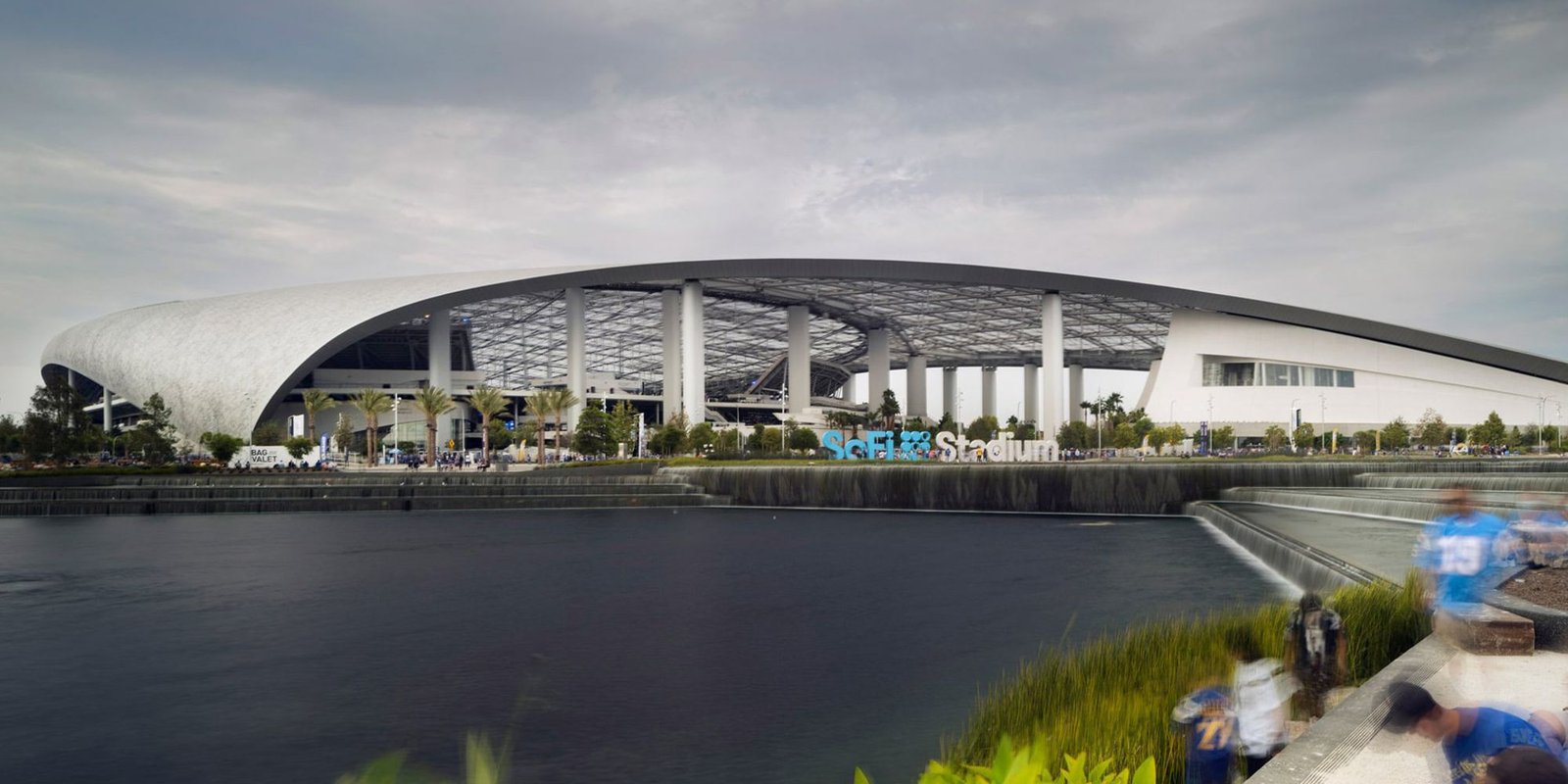
SoFi Stadium, a state-of-the-art facility located in Inglewood, California, stands as a testament to modern architectural brilliance. Inaugurated in 2020, this impressive venue boasts a seating capacity of 70,240, expandable to over 100,000 for major events, making it one of the largest stadiums in the NFL. Home to the Los Angeles Rams and Los Angeles Chargers, SoFi Stadium is set to be a central hub for the 2026 FIFA World Cup, offering an unparalleled experience for fans and players alike.
The stadium's strategic location ensures easy accessibility via public transport, with the Metro Rail and bus services providing convenient options for attendees. The nearby Inglewood Transit Connector, set to be completed by 2026, will further enhance connectivity, ensuring seamless travel for visitors. With its cutting-edge design and world-class facilities, SoFi Stadium promises to be a highlight of the World Cup, offering an unforgettable venue for the beautiful game.
Designed to host a variety of events, SoFi Stadium is more than just a sports venue; it's a cultural landmark. Its innovative design includes a translucent roof and open sides, allowing natural light to illuminate the field while offering protection from the elements. The stadium's advanced technology and amenities ensure a premium experience for all attendees, from comfortable seating to top-tier dining options.
As the world turns its eyes to Los Angeles for the 2026 FIFA World Cup, SoFi Stadium will play a pivotal role in showcasing the city's commitment to excellence and hospitality. Its proximity to Los Angeles International Airport and major highways makes it an accessible destination for international visitors, further cementing its status as a premier location for global events. Whether you're a football fanatic or a casual spectator, SoFi Stadium offers an experience that is both thrilling and memorable.